
Top-Rated Products For Metal Roof Coating Service Applications
Browse high-quality products designed to improve application efficiency and extend the lifespan of coated metal roofs.
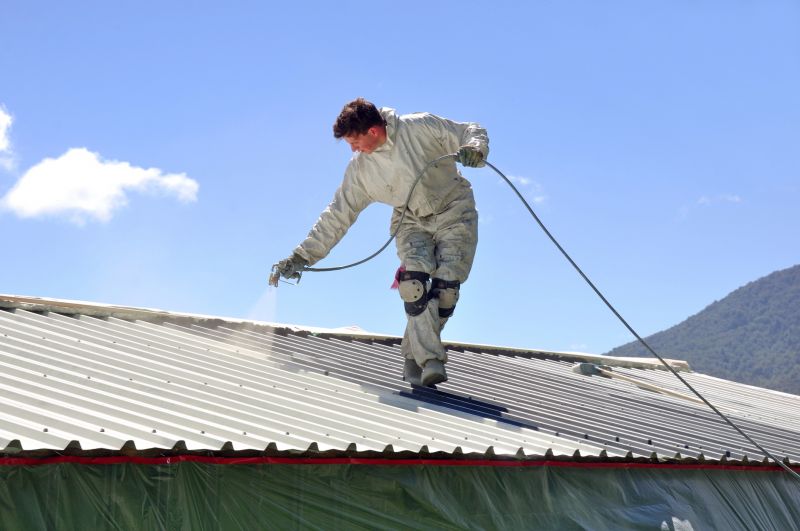 Metal roof coating products are essential for maintaining the integrity and longevity of metal roofing systems. These coatings serve to protect against corrosion, weathering, and mechanical damage, helping to extend the lifespan of the roof. When selecting a coating, it is important to consider factors such as adhesion properties, durability, and ease of application to ensure the coating performs effectively over time. Proper preparation of the roof surface before applying a coating can significantly impact the overall results, making it crucial to follow manufacturer instructions carefully.
Top Overall Option
High-Performance Metal Roof Coating
This versatile coating is designed to adhere well to various metal surfaces, offering a durable and protective layer that resists weathering and corrosion. It is easy to apply with brushes, rollers, or spray equipment, making it suitable for DIY projects and professional applications alike. Formulated to provide long-lasting coverage, it helps maintain the roof’s integrity and appearance over time without the need for frequent reapplications.
Types of Products For Metal Roof Coating Service
Acrylic Coatings
Water-based coatings that are easy to apply and clean up, offering good UV resistance and flexibility for metal roofs.
Polyurethane Coatings
Known for excellent durability and chemical resistance, suitable for high-traffic or exposed roofs.
Elastomeric Coatings
Flexible coatings that can expand and contract with the metal surface, reducing cracking and peeling.
Silicone Coatings
Highly reflective and water-resistant, ideal for waterproofing and heat reflection.
Acrylic-Polyurethane Blends
Combine the benefits of acrylic and polyurethane for enhanced protection and flexibility.
Bituminous Coatings
Thick, tar-like coatings that provide excellent waterproofing and corrosion resistance.
Polyurea Coatings
Fast-curing and highly resistant to chemicals and weathering, suitable for demanding environments.
Epoxy Coatings
Strong adhesion and chemical resistance, often used for repair and sealing purposes.
Liquid Rubber Coatings
Flexible and waterproof, ideal for sealing joints and leaks on metal roofs.
Mineral-Based Coatings
Provide a durable, protective layer with good resistance to weathering and UV rays.
Aluminum Coatings
Reflective coatings that help reduce heat absorption and improve energy efficiency.
Polymer-Modified Coatings
Enhanced with polymers for increased elasticity and resistance to cracking.
Popular Choices
Widely used for their ease of application and good UV resistance, suitable for various metal roofs.
Known for excellent waterproofing and high reflectivity, popular for energy-efficient roofing.
Chosen for their durability and chemical resistance in demanding environments.
Favored for their flexibility and ability to accommodate roof expansion and contraction.
Popular for sealing leaks and joints with a flexible waterproof layer.
Preferred for rapid curing and high resistance to weathering and chemicals.
Used for waterproofing applications, especially in areas prone to water exposure.
Commonly selected for their reflective properties and heat reduction capabilities.
Valued for their adhesion and chemical resistance, often used for repairs.
Chosen for their durability and resistance to weathering effects.
Popular for their enhanced elasticity and crack resistance in metal roofing.
There is a wide variety of products available tailored to different needs and preferences. From liquid coatings that can be brushed or rolled on to spray-applied options, the choices can be extensive. Some coatings are formulated to provide a reflective surface to reduce heat absorption, while others focus on corrosion resistance and waterproofing. It is advisable to select products that match the specific conditions of your roofing environment, such as exposure to saltwater, heavy rainfall, or extreme temperatures.
Durability and ease of maintenance are also key considerations. Many coatings are designed to withstand harsh weather conditions without cracking or peeling, maintaining their protective qualities over years of service. Additionally, some products offer UV resistance to prevent degradation from sunlight exposure. When choosing a coating, consider compatibility with existing roofing materials and whether the product is suitable for the type of metal used in your roof.
Ultimately, selecting the right product for metal roof coating requires understanding your specific roofing needs and the characteristics of available products. Consulting with professionals or reviewing product datasheets can help in making an informed decision. Proper application and regular inspections can ensure that the coating continues to provide optimal protection, helping to maintain the roof’s performance and appearance over time.
Key Buying Considerations
- Compatibility with existing roofing materials to ensure proper adhesion.
- Weather resistance properties, including UV stability and waterproofing capabilities.
- Ease of application, whether brushing, rolling, or spraying, depending on project scope.
- Durability and expected lifespan of the coating under local environmental conditions.
- Reflectivity and heat management features that can influence energy efficiency.
- Flexibility of the coating to accommodate metal expansion and contraction.
- Chemical resistance for roofs exposed to pollutants or industrial environments.
- Ease of maintenance and reapplication requirements over time.
- Coverage area per unit to estimate project costs and quantities needed.
- Drying and curing times that fit within project schedules.
- Compatibility with other coatings or sealants used on the roof.
- Manufacturer’s instructions and recommended preparation procedures.
- Cost considerations balanced with product performance and longevity.
- Availability of technical support or customer service from suppliers.
- Local building codes or regulations that may influence product choice.